Forensic Investigation Consultant FIC
Forensic Investigation Consultant
FORENSIC EXPERT WITNESSES
FORENSIC ANALYSTS
Forensic Investigation Consultant FIC
Forensic Investigation Consultant
FORENSIC EXPERT WITNESSES
FORENSIC ANALYSTS
|
|
What It Examines ^
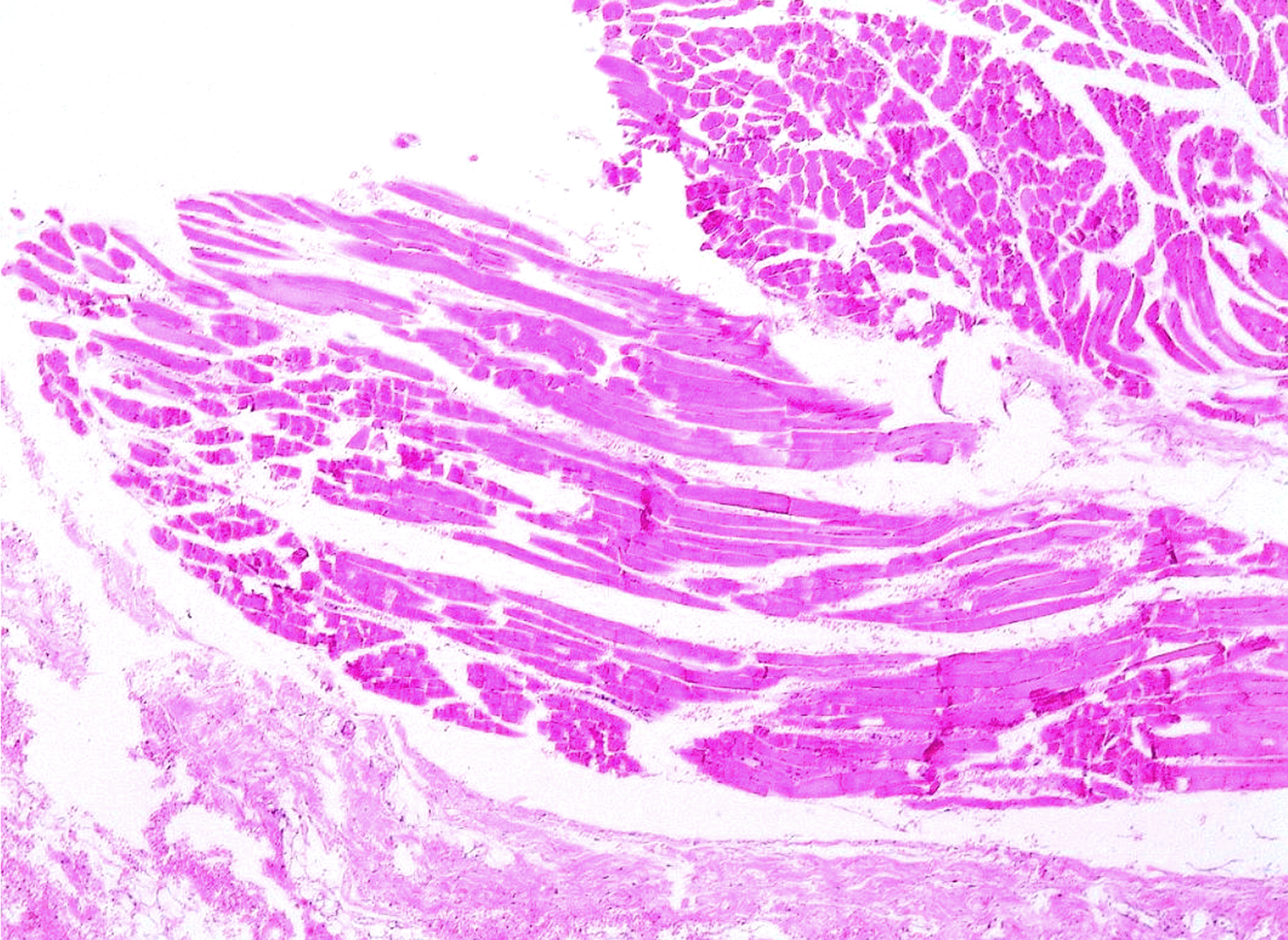
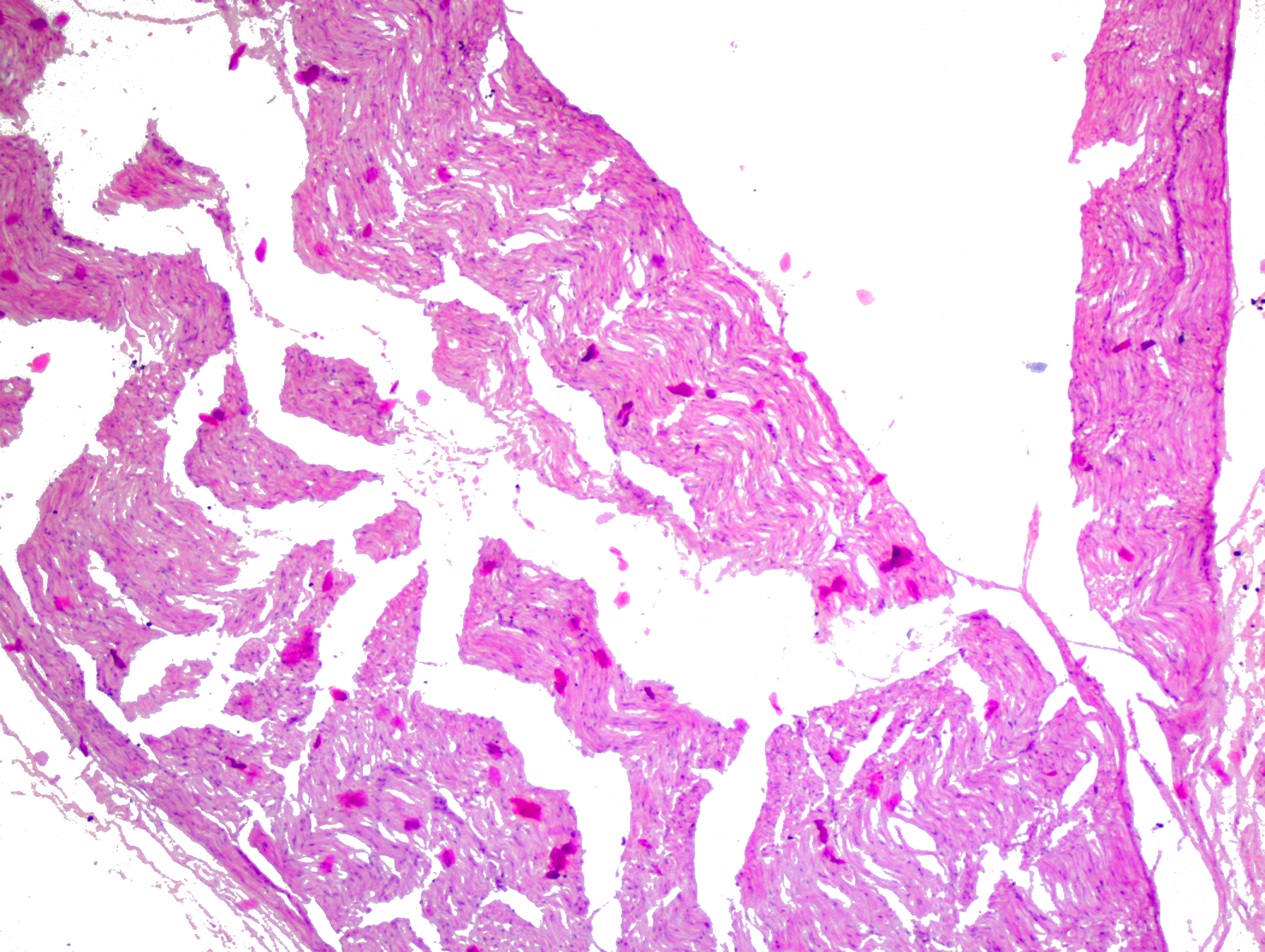
Ballistic pathological anatomy focuses on demonstrating the histopathological changes in tissues caused by ballistic action. To determine the direction of fire and the morphology of the wound track, four generally accepted criteria are considered: (a) the mechanical and thermal energy transferred from projectiles to tissues; (b) the observed lesions, conventionally described as the permanent cavity and the temporary cavity; (c) projectile morphology and geometry; and (d) the lesions and alterations identified by microscopic histopathological examination along and around the wound track.
The lesions produced in human tissues when the body is struck by bullets or other firearm projectiles are usually studied macroscopically during the forensic post-mortem examination and autopsy. On the basis of the four criteria described above, the assessment can also be performed microscopically through histopathological examination of the collected specimens, providing in situ confirmation and a scientifically more robust and accurate result.
Representative Histopathological Findings ^
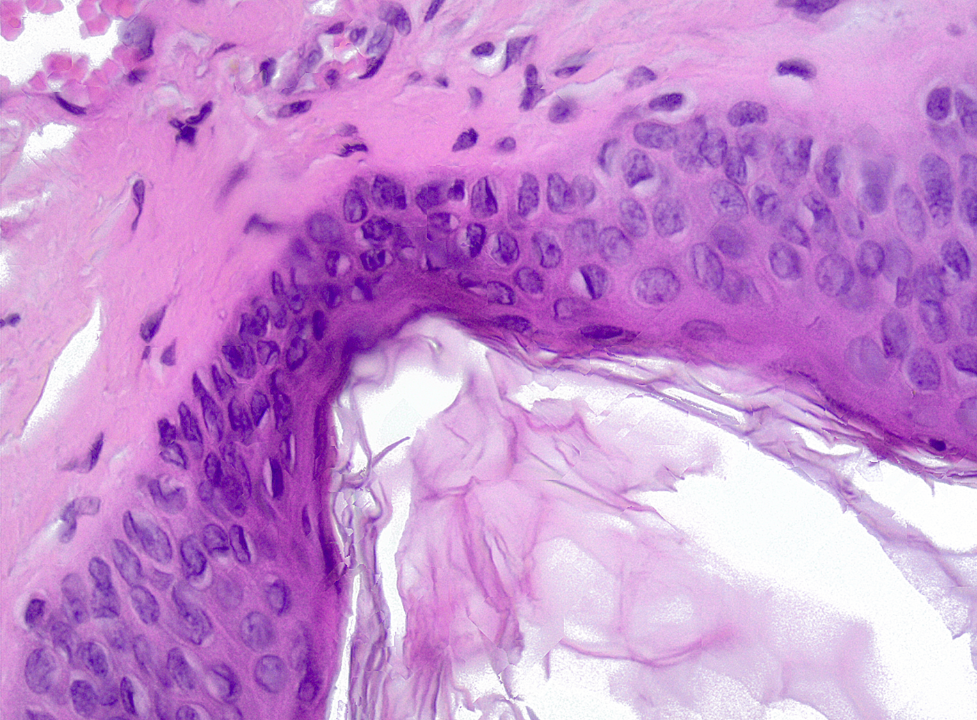
Entrance Wound. Loss of Normal Tissue Orientation and Polarity, with Foci of Thermal Injury. H&E, ×40.
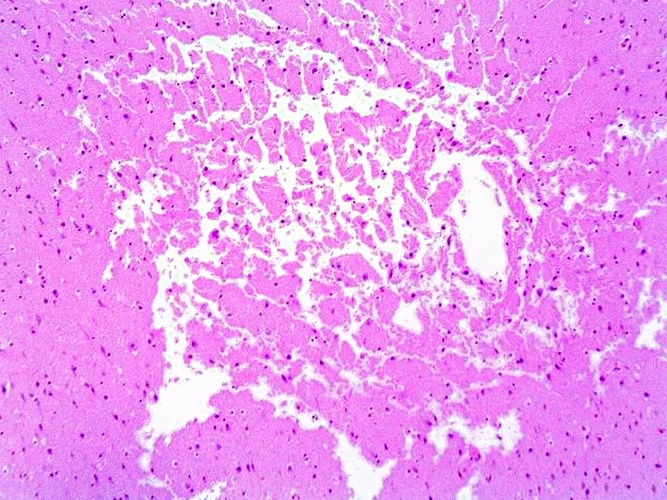
Clefts in the Neuropil at the Junction of the Cerebral White and Gray Matter, Surrounding the Wound Track. H&E, ×10.
 |  |  |
